GS1 DataBar, previously known as Reduced Space Symbology (RSS), is a family of linear barcode formats developed by GS1 (formerly the Uniform Code Council, UCC). These barcodes are designed to encode more information within a smaller physical space than traditional linear barcodes such as UPC or EAN. GS1 DataBar includes multiple variants, each optimized for specific use cases and data requirements. This technology overview covers the different types of GS1 DataBar symbologies, their encoding methods, technical specifications, key benefits, and diverse applications across various industries. Their global standardization ensures interoperability across systems, and their compact size allows them to be used where space is limited, including on curved or small surfaces. As a result, GS1 DataBar is an essential tool for modern supply chain efficiency and accurate product identification.
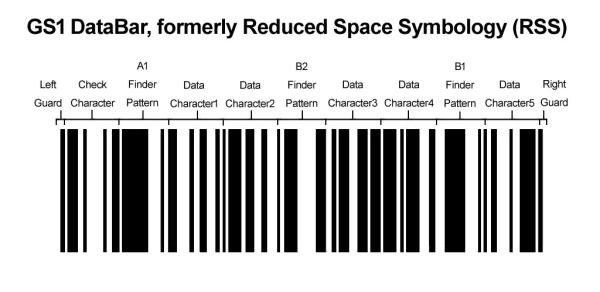
GS1 DataBar was initially developed to accommodate smaller items where space for a larger barcode is limited. It provides a solution for encoding more data in a compact format, suitable for various retail and non-retail applications. The symbology was designed to address specific needs such as variable measure products, coupons, fresh foods, and other items where traditional barcodes may not be practical.
Variants of GS1 DataBar
GS1 DataBar includes several specialized formats, each optimized for specific use cases and spatial requirements:
- GS1 DataBar Omnidirectional
Designed for high-speed scanning at retail point-of-sale (POS). This version can be read from any angle, making it ideal for fast-paced environments. - GS1 DataBar Truncated
A space-saving format used when vertical height is restricted. It retains essential data while fitting onto smaller packaging. - GS1 DataBar Stacked
Arranges barcode segments in stacked rows, allowing for multiple data fields or longer values in a limited area. - GS1 DataBar Limited
Optimized for horizontal space constraints, this version compresses width while maintaining data integrity—perfect for narrow product labels. - GS1 DataBar Expanded
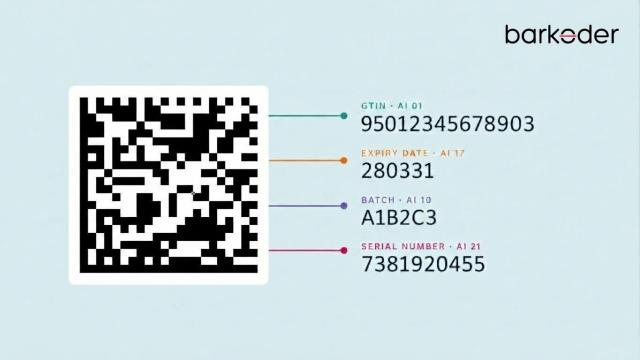
Enables the encoding of additional information, such as batch numbers, expiration dates, or promotional data—ideal for applications requiring extended product details.
Industry Applications
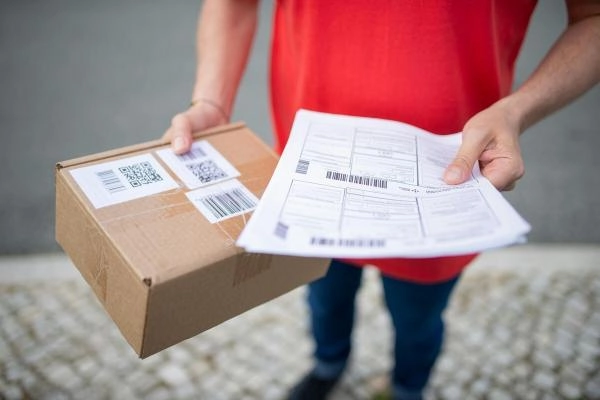
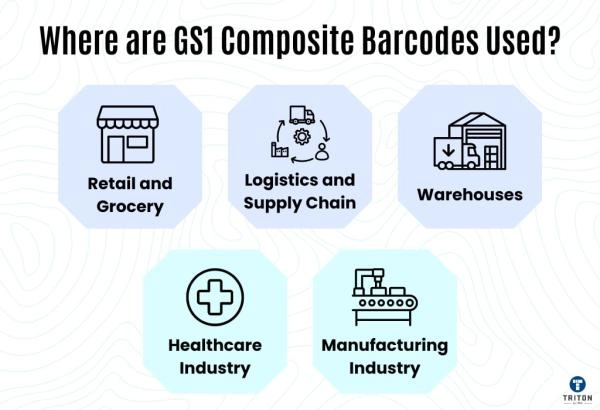
GS1 DataBar symbologies are used across multiple sectors due to their compact size, versatility, and adherence to GS1 global standards:
- Retail
Commonly used for small items, fresh foods, coupons, and variable-weight products. Enhances checkout efficiency and data accuracy. - Healthcare
Supports safe identification of pharmaceuticals, medical devices, and patient data where label space is limited but precision is crucial. - Logistics
Facilitates item tracking and supply chain traceability, especially in environments where packaging size limits the use of larger barcodes. - Government and Public Sector
Useful for secure identification, regulatory compliance, and document tracking where compact, scannable data is essential.
Key Advantages
- Compact design suitable for small and curved surfaces
- High data capacity in limited space
- Flexible scanning options including omnidirectional and stacked formats
- Global interoperability through compliance with GS1 standards
- Supports extended data such as expiration dates, batch numbers, and promotions

Conclusion
GS1 DataBar has revolutionized barcode usage where space-saving and enhanced data capability are essential. Whether in retail, healthcare, logistics, or government applications, its flexibility and compact structure make it an ideal solution for modern supply chain and identification needs.
If you’ve been in the world of retail or inventory management, you know that barcode labeling is essential. Enter the GS1 DataBar – a game-changer in barcode technology. This little gem packs more data into a smaller space, allowing for more detailed product information right on the label. But what’s even cooler? The barKoder SDK.
The barKoder SDK makes it super easy to integrate GS1 DataBar capabilities into your applications. Whether you're developing an inventory system or a point-of-sale solution, this SDK helps streamline the process of generating and scanning these advanced barcodes. It’s like having a secret weapon in your toolkit!
With the growing need for efficient labeling solutions that can handle more data without taking up too much real estate, embracing GS1 DataBar with the help of barKoder SDK could be just what you need to stay ahead in today’s fast-paced market. So why not give it a try? Your labeling game will thank you!