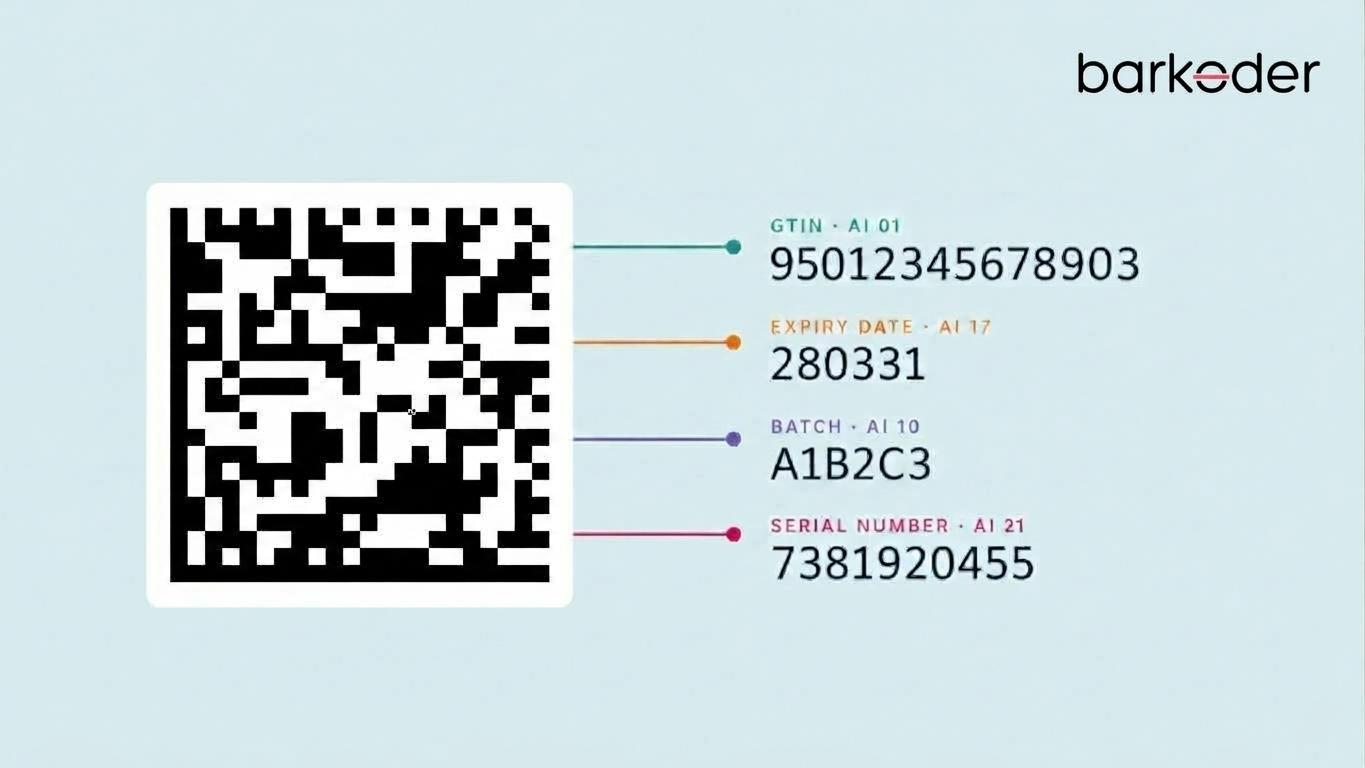
Medicine Barcodes in Bahrain and Qatar: What Your Scanning App Has to Handle.
Bahrain already scans medicine barcodes at the pharmacy counter, and Qatar has given the industry one year to follow, so here’s what your scanning app needs to handle.
Bahrain already scans medicine barcodes at the pharmacy counter, and Qatar has given the industry one year to follow, so here’s what your scanning app needs to handle.
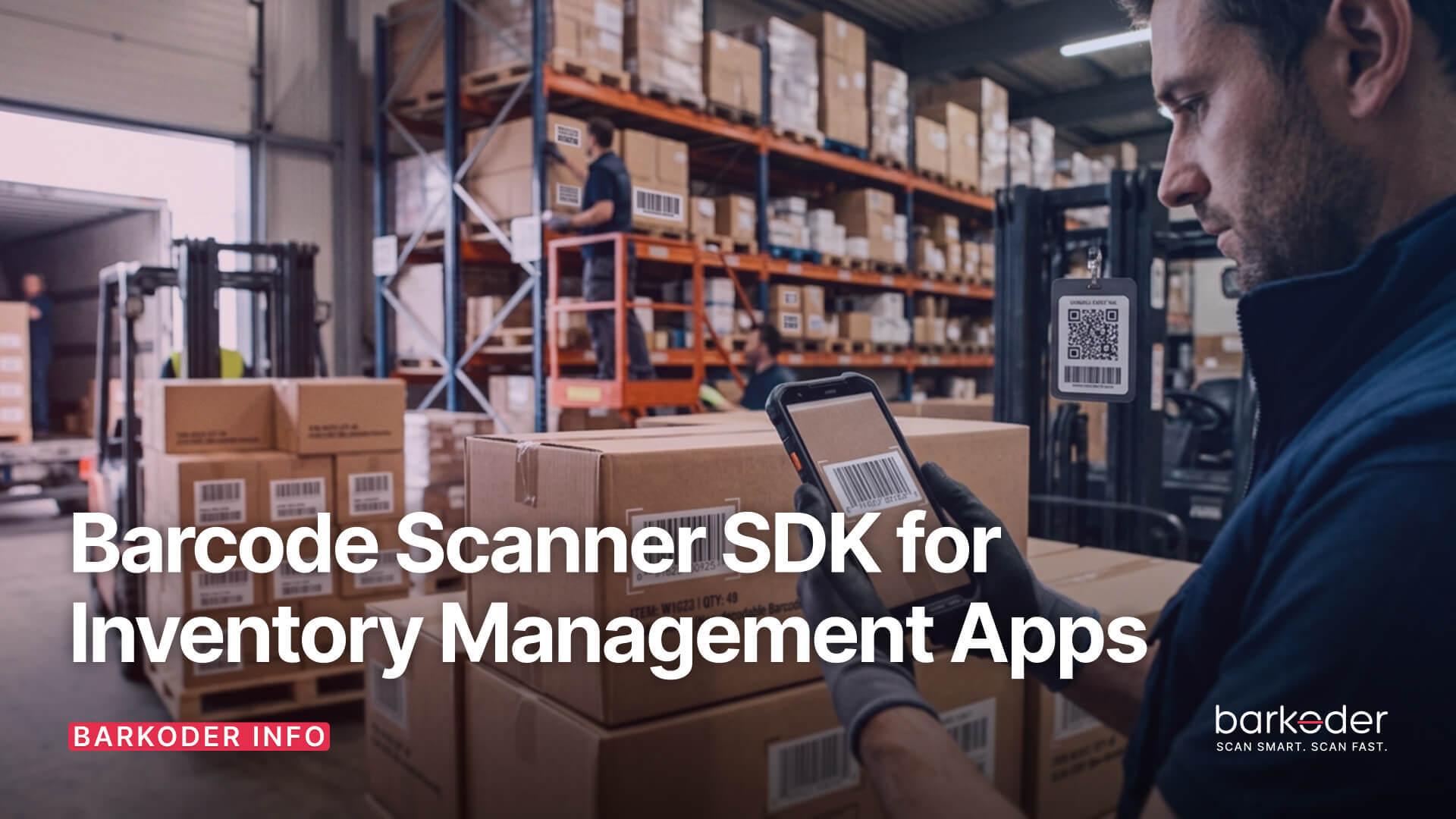
Barcode scanning helps inventory apps streamline stock counting, receiving, picking, packing, and asset tracking. Discover how a barcode scanner SDK can simplify these workflows, support GS1 data, and help developers build reliable inventory management solutions.
Pharmaceutical barcodes don’t always scan as expected, and the problem isn’t necessarily the barcode itself. Small GS1 DataMatrix codes, poor printing, reflections, curved packaging, lighting, and camera quality can all affect scanning performance. This blog looks at the most common reasons pharma barcodes can be difficult to scan and how reliable barcode-scanning technology like barKoder can help deliver faster, more consistent results.
Every second, thousands of barcodes are being scanned somewhere in the world. From supermarket checkouts and warehouses to hospitals and global supply chains, barcode scanners quietly keep modern commerce moving. Take a 24-hour journey through the surprisingly busy life of the barcode scanner.
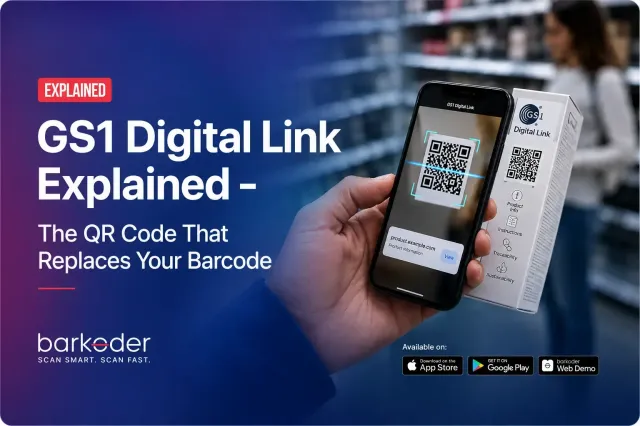
With GS1 Sunrise 2027 around the corner, retail point-of-sale is experiencing its biggest shift since the introduction of the traditional UPC/EAN barcode. GS1 Digital Link turns a simple QR code into a multi-purpose tool that serves checkout scanners, inventory systems, and shoppers' smartphones all at once. Here is everything you need to know about how GS1 Digital Link works and how to get your systems and packaging ready before 2027 arrives.
barKoder SDK 1.7.1 is now available with improved performance, efficiency, and regional data parsing. Updated versions of the Barcode Scanner by barKoder are also available on Google Play and the Apple App Store, delivering a faster and more reliable scanning experience across mobile and web platforms.
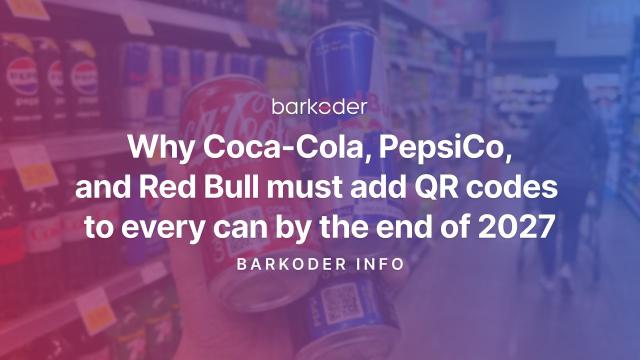
By the end of 2027, many leading beverage brands, including Coca-Cola, PepsiCo, and Red Bull, are adopting QR codes and other 2D barcodes as part of the GS1 Sunrise 2027 initiative. These digital codes go beyond traditional barcodes by enabling faster retail operations while giving consumers instant access to product information, nutrition facts, recycling guidance, authenticity verification, promotions, and sustainability details with a simple smartphone scan.
The countdown to GS1 Sunrise 2027 is well underway, marking a pivotal shift in the world of global supply chain standards. By this milestone, businesses across the globe are expected to fully transition to 2D barcodes, a move that promises to revolutionize industries from retail to healthcare.
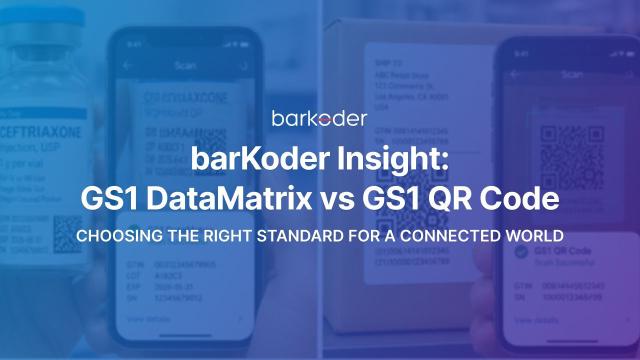
Barcodes do more than identify products; they ensure global traceability.
GS1 DataMatrix and GS1 QR Code may look similar, but choosing between them is a strategic decision.
Whether you need back-end precision or consumer engagement, knowing where each thrives is key.
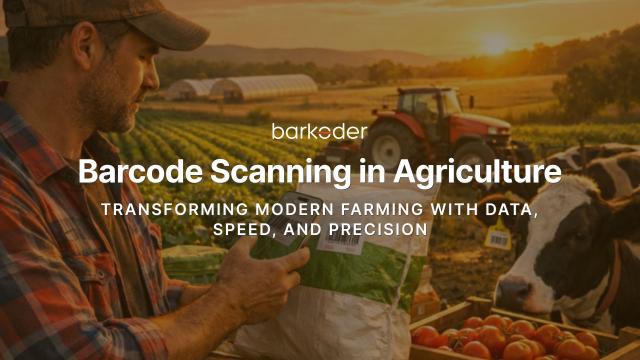
Barcode scanning in agriculture improves traceability, inventory accuracy, and food safety from farm to shelf. By digitizing crop, livestock, and warehouse management, farmers reduce errors, cut waste, increase efficiency, and ensure full supply chain transparency.
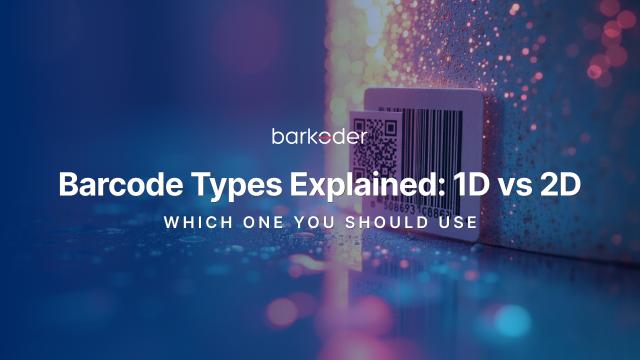
Barcodes come in two main types: 1D (linear) and 2D (two-dimensional). While 1D barcodes are simple, low-cost, and perfect for retail, 2D barcodes pack more data into less space, making them ideal for healthcare, logistics, and mobile use. This guide explains the differences, pros and cons, and helps you decide which barcode type best fits your business needs.
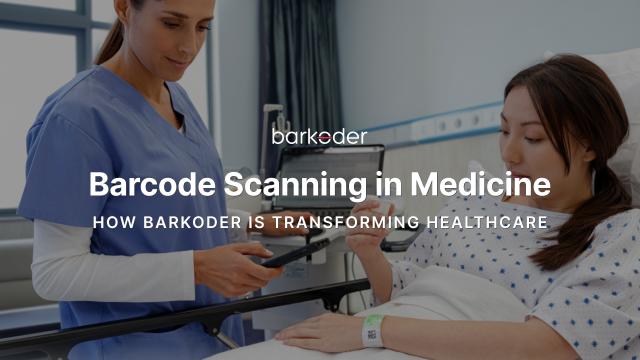
Barcodes may look simple-but in medicine, their impact is profound.

Industries worldwide are embracing 2D and QR codes for greater data capacity, security, and versatility. See how this shift is shaping the future and how barKoder helps lead the way.
The barKoder is now an official GS1 US Solution Provider.