The Future of Barcode Scanning in 2026: AI, Mobile Vision, and Real-Time Data Intelligence
Barcode technology has existed for more than fifty years, but the way companies use it has changed dramatically in the past decade. What once required specialized laser scanners and expensive hardware can now be accomplished with a simple smartphone camera. In 2026, barcode scanning has evolved into a powerful digital tool that enables businesses to capture data instantly, automate operations, and improve accuracy across many industries.
The rapid growth of mobile technology has played a major role in this transformation. Smartphones today contain powerful processors, high-resolution cameras, and advanced image recognition capabilities. These improvements allow mobile devices to perform complex barcode detection tasks that previously required dedicated scanning equipment.
The Rise of Mobile Barcode Scanning
The shift toward mobile barcode scanning represents one of the most important changes in enterprise technology. Organizations are increasingly replacing traditional handheld scanners with mobile devices that employees already carry. This transition reduces hardware costs and makes deployment much faster.
Software-based scanning solutions allow companies to integrate barcode scanning directly into their existing applications. Developers can embed scanning functionality inside inventory systems, warehouse tools, retail apps, and logistics platforms. With solutions like the barKoder SDK, businesses can enable high-performance scanning across mobile and web environments without investing in specialized hardware.
Barcode Scanning in Logistics and Supply Chains
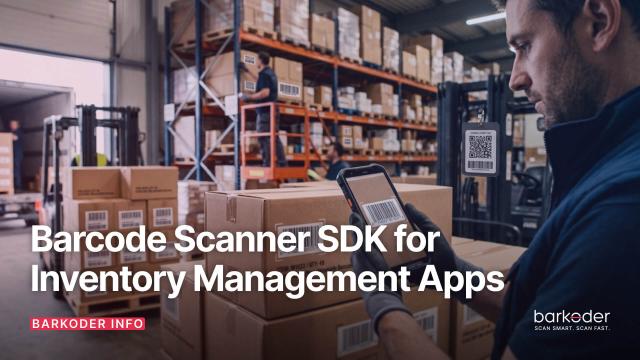
Logistics and supply chain management are among the industries that rely most heavily on barcode technology. Every product moving through a warehouse or distribution center typically carries a barcode that identifies its contents, origin, and destination.
When workers scan these barcodes using mobile devices, the data is instantly transmitted to backend systems that track inventory levels and shipping status. This real-time visibility allows logistics companies to monitor operations more closely and respond quickly when issues arise. Mobile scanning also improves efficiency because workers can scan packages while moving through warehouses rather than returning to fixed scanning stations.
Retail Transformation Through Mobile Scanning
Retail businesses have also embraced mobile barcode scanning as part of their digital transformation strategies. Store employees use scanning applications to check product information, verify prices, and monitor stock levels directly on the sales floor. This capability allows staff to assist customers more efficiently while maintaining accurate inventory records.
Mobile barcode scanning also supports omnichannel retail strategies where products move between online and physical stores. By scanning barcodes at every stage of the process, retailers can maintain accurate tracking of products whether they are in warehouses, stores, or being delivered to customers.
Barcode Scanning in Healthcare and Safety
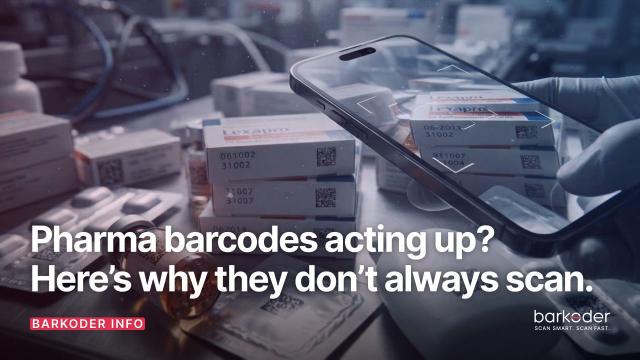
Healthcare organizations require extremely high levels of accuracy when identifying medications, patient records, and laboratory samples. Barcode scanning plays a crucial role in preventing errors by ensuring that the correct information is associated with the correct patient or treatment.
Mobile scanning applications allow healthcare professionals to verify medications and patient data instantly. This reduces the risk of human mistakes and helps medical staff maintain strict safety standards. As hospitals continue adopting digital systems, barcode scanning remains a key technology for ensuring reliable patient care.
The Role of Data and Analytics
One of the most powerful aspects of modern barcode scanning is the data generated from every scan. Each barcode scan represents a digital event that can be recorded and analyzed. Over time, this data provides valuable insights into how businesses operate.
Companies can examine scanning data to understand how products move through their systems, how long processes take, and where delays occur. This information allows managers to optimize workflows, improve inventory management, and increase operational efficiency. In many organizations, barcode scanning has evolved from a simple identification tool into a critical source of business intelligence.
Advances in AI and Computer Vision
Modern barcode scanning technologies increasingly rely on artificial intelligence and computer vision algorithms. These technologies allow scanners to recognize barcodes even when images are blurred, partially damaged, or captured in poor lighting conditions.
This improvement significantly increases reliability in real-world environments. Workers do not need perfect scanning conditions to capture barcode information, which speeds up operations and reduces frustration. As AI algorithms continue to improve, barcode scanning systems will become even more accurate and capable of handling complex scenarios.
Cross-Platform Development and Integration
Businesses today often build applications that must run across multiple platforms including iOS, Android, and web browsers. This trend has increased demand for scanning technologies that function consistently across all environments.
Cross-platform barcode scanning SDKs allow developers to integrate scanning capabilities into applications without writing separate code for each platform. Platforms such as barKoder provide tools that simplify integration while maintaining high scanning performance. This flexibility allows companies to build scalable solutions that work across entire organizations.
The Future of Barcode Scanning
Barcode scanning continues to evolve as part of the broader digital transformation of industries worldwide. The technology is no longer limited to simple product identification but is becoming an essential component of automated data capture systems.
As mobile devices become more powerful and computer vision technology advances, barcode scanning will play an even greater role in connecting physical products with digital systems. Businesses that adopt modern scanning solutions will benefit from improved efficiency, better analytics, and faster decision-making.
The future of enterprise software will increasingly depend on technologies that can capture accurate data from the physical world. Barcode scanning, supported by platforms like barKoder, will remain one of the most important tools for achieving this goal.
Frequently Asked Questions
Barcode scanning has evolved from a reliance on specialized, expensive laser hardware to software-based solutions that utilize standard smartphone cameras. Modern mobile devices now possess the processing power, high-resolution cameras, and advanced image recognition capabilities required to perform complex data capture tasks that once required dedicated equipment.