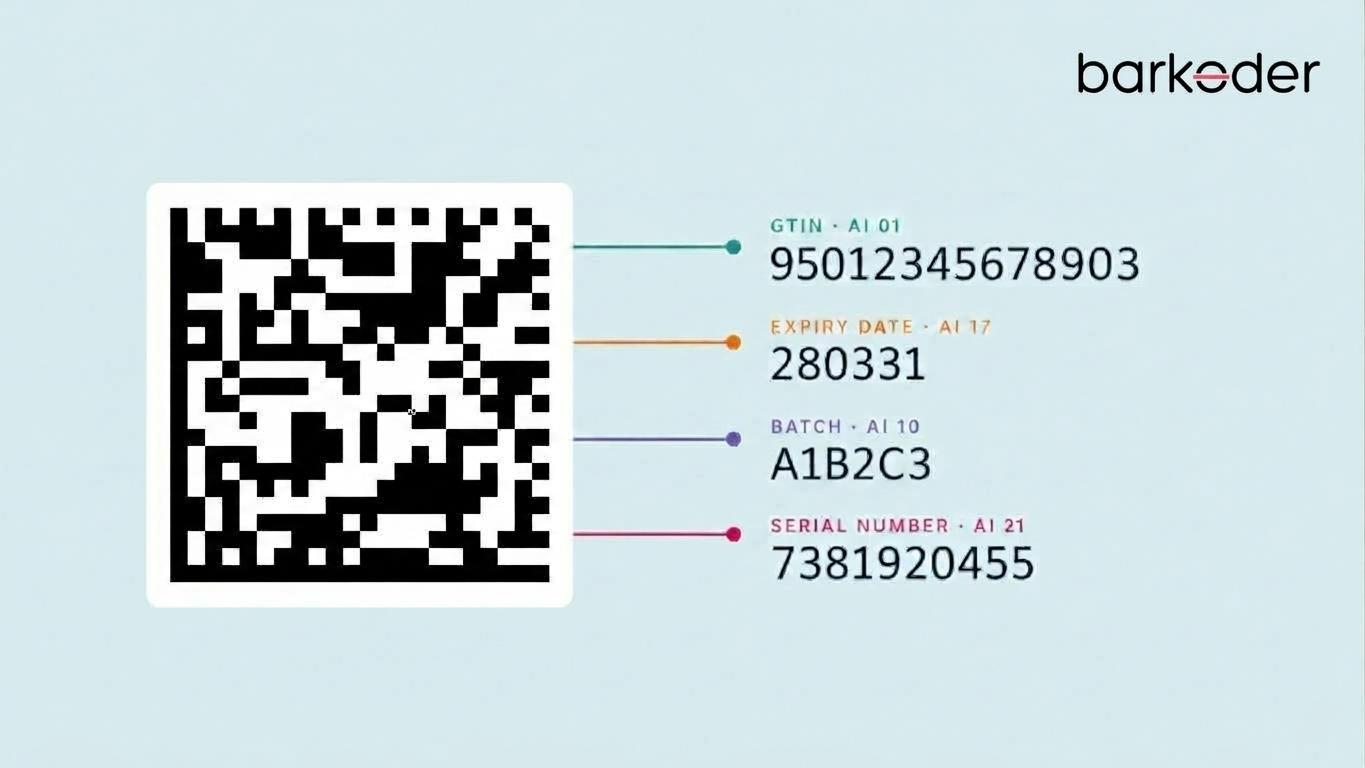
Medicine Barcodes in Bahrain and Qatar: What Your Scanning App Has to Handle.
Bahrain already scans medicine barcodes at the pharmacy counter, and Qatar has given the industry one year to follow, so here’s what your scanning app needs to handle.
Bahrain already scans medicine barcodes at the pharmacy counter, and Qatar has given the industry one year to follow, so here’s what your scanning app needs to handle.

Pharmaceutical barcodes don’t always scan as expected, and the problem isn’t necessarily the barcode itself. Small GS1 DataMatrix codes, poor printing, reflections, curved packaging, lighting, and camera quality can all affect scanning performance. This blog looks at the most common reasons pharma barcodes can be difficult to scan and how reliable barcode-scanning technology like barKoder can help deliver faster, more consistent results.
When standard paper labels peel, shred, or burn away, component-level traceability breaks. Enter Direct Part Marking (DPM) - the permanent, indestructible link between physical assets and their digital history. Learn how DPM works across modern industries and how smart software decodes even the hardest-to-read DPM Data Matrix codes.
Discover the true story of how NASA uses barcode technology to track spacecraft parts, tools, and equipment, ensuring mission success and safety.
Barcodes do more than identify products; they ensure global traceability.
GS1 DataMatrix and GS1 QR Code may look similar, but choosing between them is a strategic decision.
Whether you need back-end precision or consumer engagement, knowing where each thrives is key.

In this comprehensive guide, we will break down the two main categories of barcodes - 1D (linear) and 2D (matrix)—explore their common variants, and help you determine which is right for your business.
Testing is the most critical aspect of barcode scanning SDK.
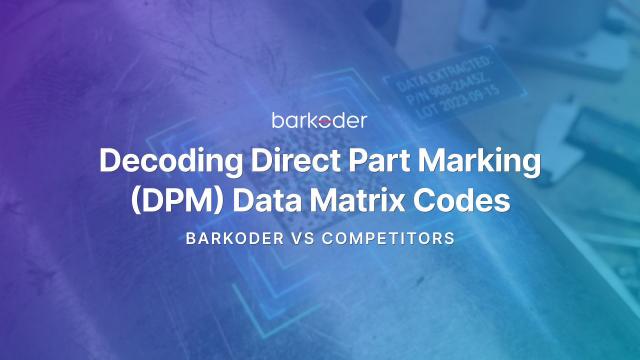
Direct Part Marking (DPM) is a method of permanently marking components with Data Matrix codes for tracking and identification. It is widely used in industries like automotive, aerospace, and electronics, but requires advanced scanning technology due to challenging reading conditions.
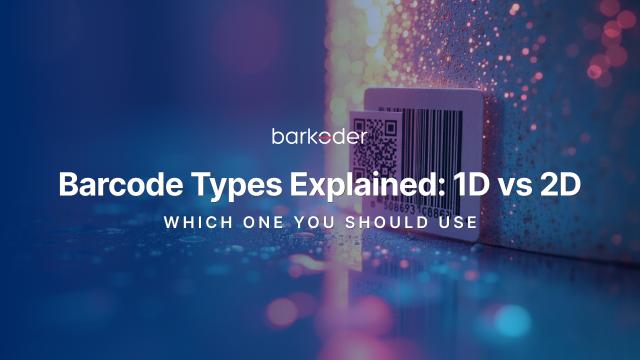
Barcodes come in two main types: 1D (linear) and 2D (two-dimensional). While 1D barcodes are simple, low-cost, and perfect for retail, 2D barcodes pack more data into less space, making them ideal for healthcare, logistics, and mobile use. This guide explains the differences, pros and cons, and helps you decide which barcode type best fits your business needs.
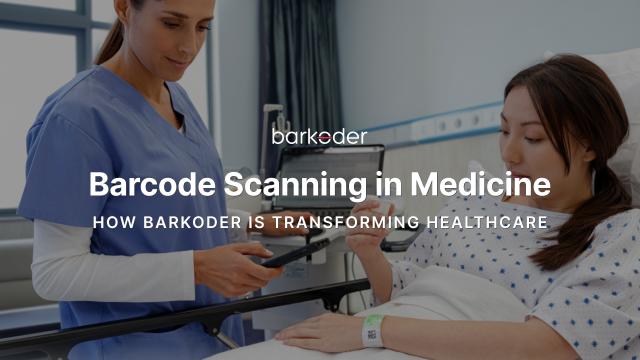
Barcodes may look simple-but in medicine, their impact is profound.
Industries worldwide are embracing 2D and QR codes for greater data capacity, security, and versatility. See how this shift is shaping the future and how barKoder helps lead the way.
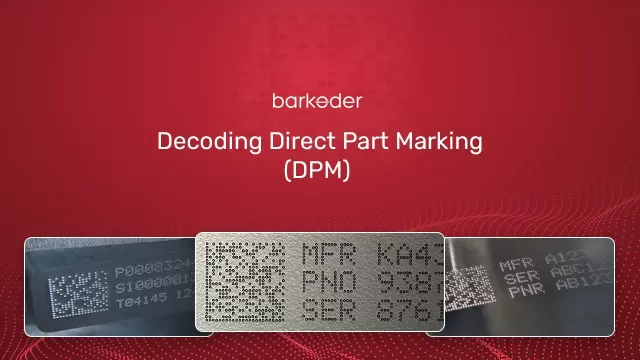
barKoder supports decoding Direct Part Marking (DPM) Data Matrix codes.
Latest version of the barKoder mobile barcode reader SDK features the revolutionary Batch MultiScan engine, great improvement to the Data Matrix decoder & more

There's nothing better than barcodes for a lab - Barcodes are a lab's best friend.