2025 was a year of growth and innovation for barKoder. We delivered smarter SDK updates, improved scanning accuracy for challenging samples, added flexible configuration options, and strengthened stability across our solutions.
Read about barKoder latest news, updates and tutorials.
2025 was a year of growth and innovation for barKoder. We delivered smarter SDK updates, improved scanning accuracy for challenging samples, added flexible configuration options, and strengthened stability across our solutions.
Through cost analysis across multiple warehouses, we found that legacy scanners create major inefficiencies. This study explains why barKoder’s mobile scanning platform is now the most efficient and financially sound choice for 2026 operations.
barKoder delivers next-generation scanning intelligence engineered for real-world performance. From logistics and mobility to retail, identity, and automation, our technology turns barcodes, QR codes, VINs, and MRZ data into instant, dependable insight. Built for edge devices, optimized for offline privacy, and trusted by mission-critical workflows, scanning becomes fast, adaptive, and frictionless.
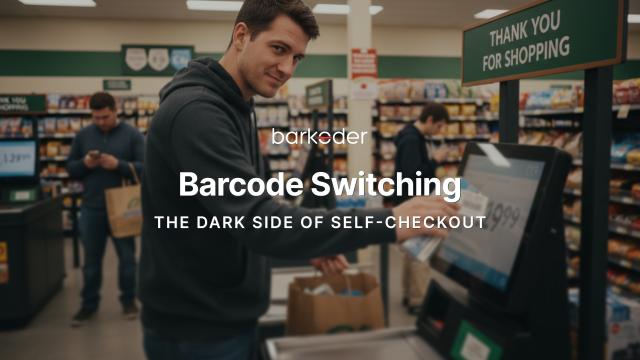
The Dark Side of Self-Checkout: Barcode Switching and Theft — And How Barkoder Fights Back
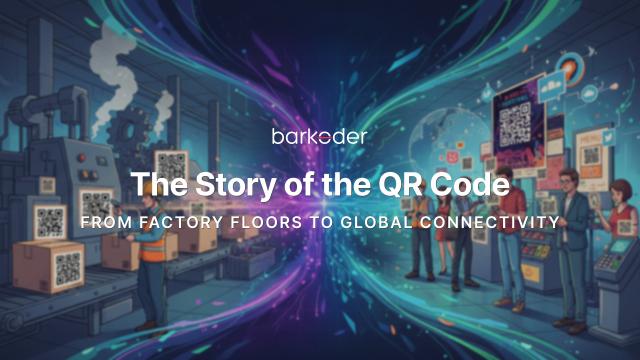
Discover the history of the QR code, invented by Masahiro Hara in 1994, its global adoption, and how modern tools like barKoder SDK are transforming QR code scanning in 2025.

In 2025, restaurant technology is transforming faster than ever. Paper menus are fading away, replaced by fast, touch-free, and eco-friendly QR code menus. This digital shift not only enhances customer experience but also cuts costs and improves hygiene. With barKoder, restaurants can offer seamless menu scanning and ordering through a simple, powerful SDK and mobile app integration.

As industries continue to digitize, barcode and QR code scanning technology has become a core part of modern business infrastructure. In 2025, companies require tools that are fast, reliable, and ready to integrate across platforms. The barKoder SDK stands out as the next-generation barcode scanning solution — built for developers, trusted by enterprises, and loved by users.
Here’s a blog draft for “Figma vs. Canva in 2025: The Ultimate Comparison for Barcode Scanning Images” — including strengths, limitations, and how each applies to barcode-related design.
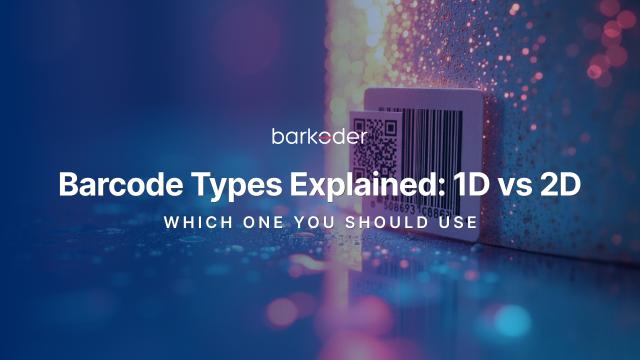
Barcodes come in two main types: 1D (linear) and 2D (two-dimensional). While 1D barcodes are simple, low-cost, and perfect for retail, 2D barcodes pack more data into less space, making them ideal for healthcare, logistics, and mobile use. This guide explains the differences, pros and cons, and helps you decide which barcode type best fits your business needs.
The fake ID isn’t just a viral stunt - it’s a warning. Businesses can no longer afford to depend on outdated, manual methods of identity verification.

Get to know our webapp