For years, warehouse managers held onto one belief:
“These handheld scanners last forever. Why replace something that still works?”
On the surface, it makes perfect sense. The devices look tough. They rarely break. And they’ve been in use for so long that nobody stops to question them anymore.
But here’s the hidden reality most warehouses overlook:
Old handheld scanners are silently draining budgets, slowing down workers, hurting productivity, and sabotaging operational efficiency , every single day.
The real issue isn’t what managers notice… it’s everything they don’t.
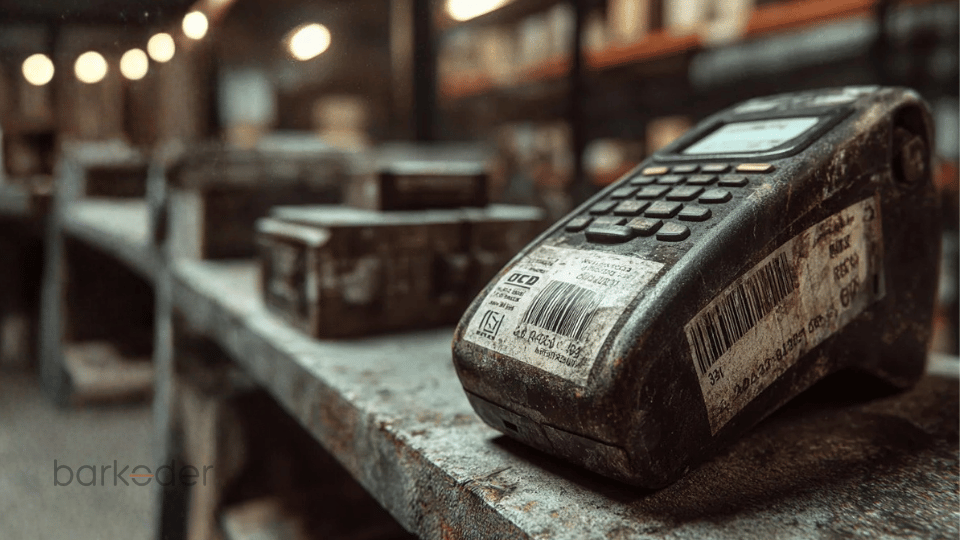
Industrial scanners come with high purchase and maintenance costs far beyond the base device price.
The Myth of the “Everlasting Scanner”
Legacy scanners built in the 2000s/early 2010s were designed like bricks: chunky, industrial, and nearly indestructible. And that’s exactly why many warehouses think:
- “We already paid for them.”
- “They still turn on.”
- “They still scan barcodes.”
But durability ≠ efficiency.
In 2026, a device that only scans is outdated. Warehouses now run on speed, software, automation, and real-time visibility.
Old scanners weren’t built for any of that, and today, they’re the slowest piece of your operational chain.
The Real Purchase Cost:
Much Higher Than You Remember
Most managers remember the €1,200 invoice from 5 years ago and think that was the “big expense.”
Not even close.
Here’s the real cost breakdown for a single industrial handheld:
Hardware Device: €900–€1,500
Depending on brand (Zebra, Honeywell, Datalogic), industrial scanners are extremely expensive upfront.
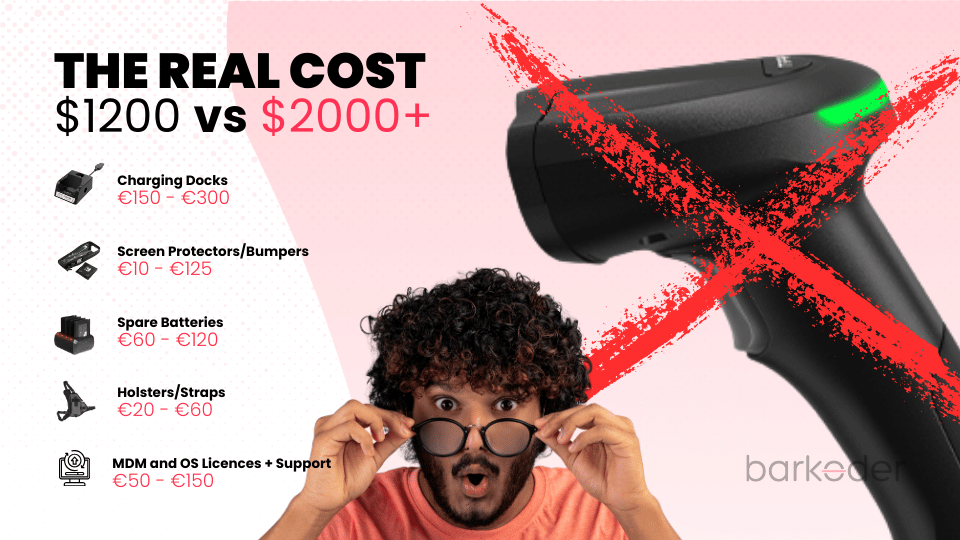
Industrial handheld scanners cost far more than their sticker price, accessories, batteries, and licensing push the real cost above €2000 per device.
Accessories You Can’t Avoid
Most warehouses forget these:
- Charging docks: €150–€300 each
- Spare batteries: €60–€120
- Holsters/straps: €20–€60
- Screen protectors / bumpers: €10–€25
- Cradles / communication bases: €200–€350
Software Licensing
Many scanners require:
- MDM licenses
- OEM OS licensing
- Paid firmware updates
- Paid support plans
Annual cost per device: €50–€150
Already, the “€1,200 device” becomes a €2,000+ total purchase.
The Invisible Maintenance Sinkhole
Here’s where the real budget burn happens — and most managers never see it clearly.
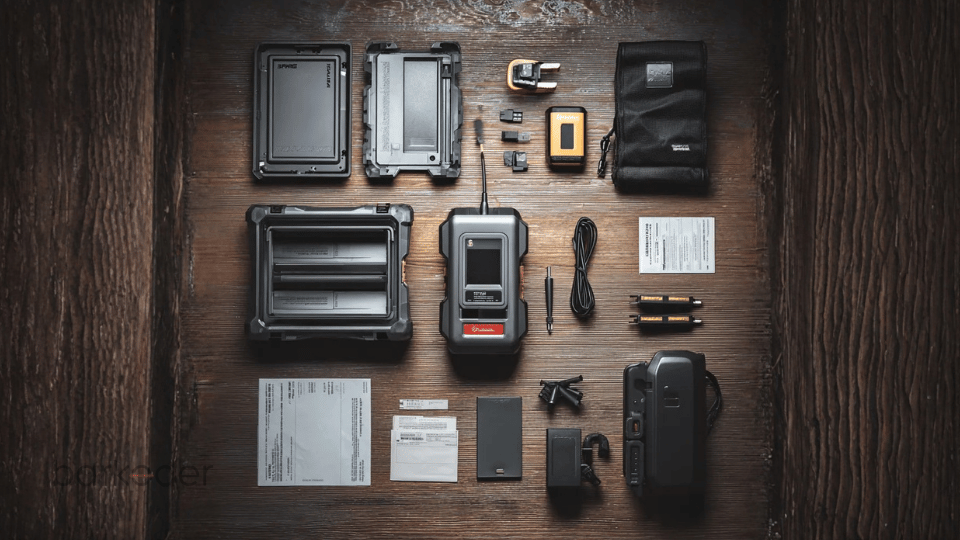
Industrial scanners come with high purchase and maintenance costs far beyond the base device price.
Repairs: €200–€400 per incident
Screens crack. Buttons wear out. Triggers die.
Even a “simple” repair includes:
- Labor costs
- Part replacement
- Shipping
- Device downtime
Battery Replacements
Old scanners lose battery health fast.
Cost per replacement: €70–€120
Frequency: every 12–18 months
Multiply by dozens of devices, and it’s thousands per year.
Downtime = Lost Money
When a scanner is out for repair:
- Picking slows down
- Workers share devices
- Productivity drops
- Errors increase
Warehouses lose money in minutes, not hours.
Limited Part Availability
Older scanners often:
- Are discontinued
- Have no available replacement parts
- Rely on third-party repairs
- Cannot receive security updates
Meaning: the device “works,” but operational risk increases every day.
Worker Inefficiency: The Most Expensive Hidden Cost
This is where warehouses lose the most money — not in hardware, but in human time.
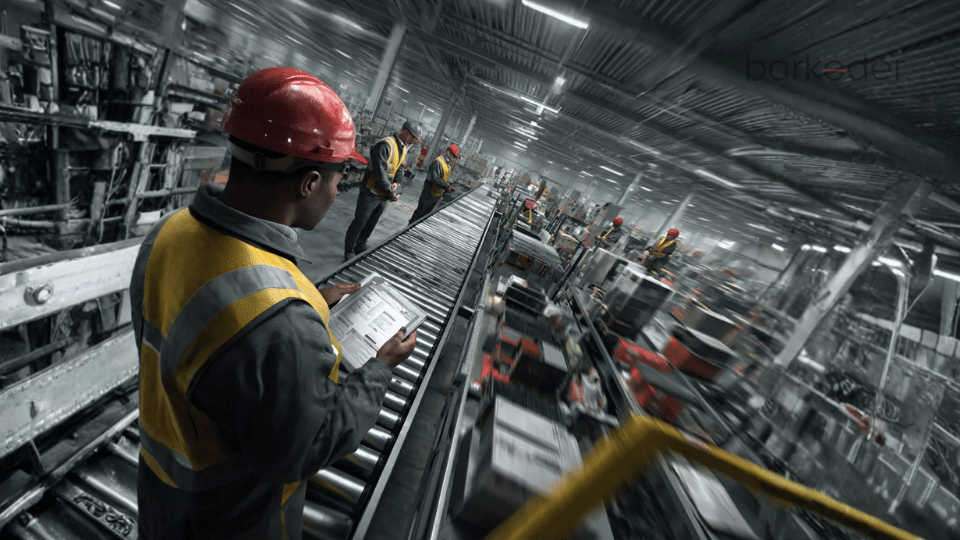
Warehouses depend on accuracy and speed, even small inefficiencies compound across thousands of items.
Slow Scanning Speed
Old scanners decode slowly, especially:
- Damaged barcodes
- Curved barcodes
- Low-contrast labels
- Small Data Matrix codes
Each slow scan = a micro delay.
Micro delays × thousands of scans/day × 50 workers = massive time loss.
Frequent Scan Failures
Workers constantly need to:
- Re-scan
- Adjust distance
- Tilt angles
- Clean lenses
Every extra motion adds fatigue and decreases efficiency.
Heavy & Bulky Designs
Old scanners weigh 3–4× more than smartphones.
Heavier device → slower movement → more exhaustion → more errors.
Fatigue = Accuracy Drops
Warehouse studies show:
Tired workers make 2–5× more picking errors.
And old scanners make workers tired faster.
Technology Limitations That Hurt Modern Operations
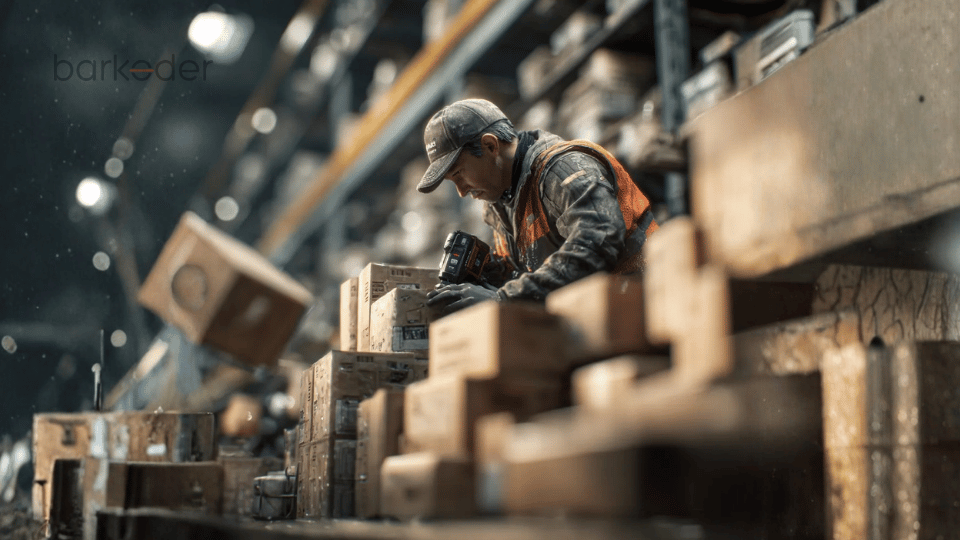
Outdated scanners slow workers and increase fatigue during high-volume picking tasks.
Legacy scanners are stuck in the past. They lack:
No AR Picking or Visual Guidance
Workers can't:
- See arrows
- Get on-screen instructions
- See overlays
- Follow optimized picking paths
This alone costs minutes per pick wave.
No Multi-Scan Support
Most old devices scan one barcode at a time.
Modern workflows require:
- Shelf scanning
- Batch picking
- Pallet scanning
- Multi-label verification
barKoder-enabled smartphones/tablets can scan dozens of barcodes in a single frame.
Slow Chips + Outdated OS
Many scanners run:
- Android 4/5/6
- Slow processors
- Tiny RAM
They can't run advanced software or get modern security patches.
Limited Update Support
Old devices stop receiving updates after:
- 3–4 years of release
Leaving them:
- Vulnerable
- Incompatible
- Hard to integrate
- Impossible to secure
In 2026, that’s a dealbreaker.
Real-World Cost Example: 50 Scanners in a Mid-Sized Warehouse
Let’s do the math.
A typical warehouse uses 50 industrial handhelds.
Legacy devices create invisible expenses, repairs, batteries, paperwork, and constant maintenance.
Initial Costs:
50 × €1,200 = €60,000
Accessories: +€15,000
Total: €75,000
Annual Ongoing Costs:
- Repairs: €8,000–€12,000
- Batteries: €4,000–€6,000
- Licenses/support: €3,000–€7,000
- Downtime loss: €20,000–€40,000
Total Annual Cost:
€35,000–€65,000 per year
5-Year Cost:
€175,000–€325,000
This is why warehouses think scanners “cost nothing” — because these costs hide across departments, invoices, and time.
Compare That With BYOD + barKoder
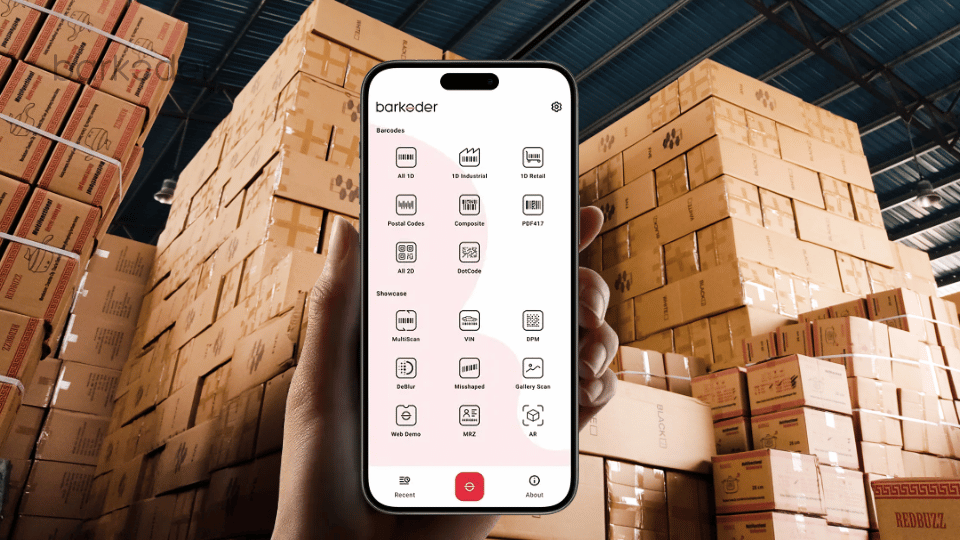
With barKoder, a smartphone instantly becomes an industrial-grade scanning device.
Now imagine:
- Workers use the devices they already have (BYOD).
- Or the company buys €150–€300 Android phones.
- You install barKoder SDK and instantly have industrial-grade scanning.
- Multi-scan.
- AR support.
- Fast AI-enhanced decoding.
- Daily app updates.
- No proprietary hardware, no repairs, no charging cradles.
Cost for 50 users:
Phones: €9,000–€12,000
barKoder licenses: a fraction of hardware costs
No accessories
No repairs
Zero downtime for hardware
Instant replacements
Instant updates
Annual savings:
€40,000–€80,000 per year
(proven in dozens of real warehouses)
The Old Scanner ROI Myth Is Dead
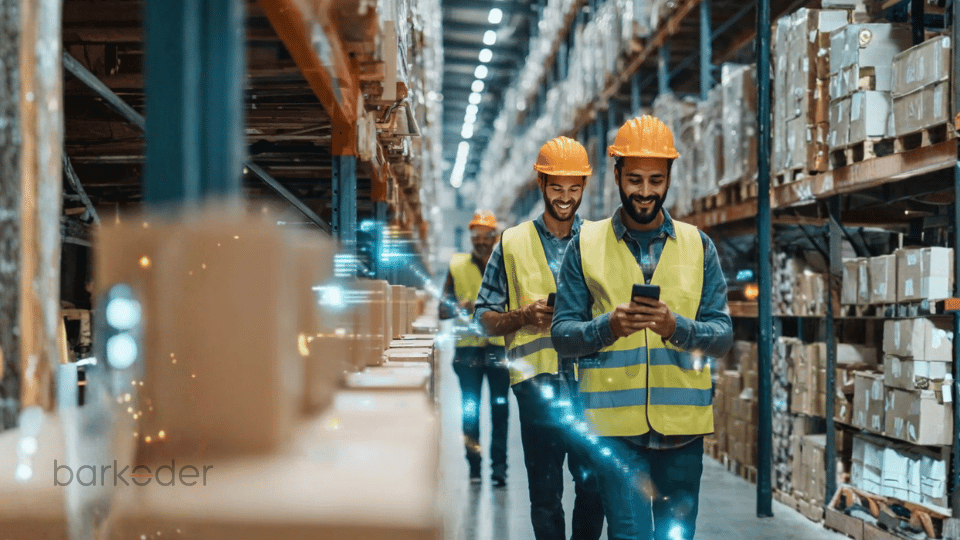
Mobile scanning empowers workers with faster performance, lighter devices, and seamless workflows.
For years, managers trusted old handheld scanners because they “just worked.”
But in 2026, the real question is:
At what cost?
The hidden expenses, inefficiencies, and limitations quietly drain tens of thousands of euros every year.
Modern warehouses don’t compete with labor — they compete with time, accuracy, and data.
And in that world:
- Slow devices lose money
- Heavy devices slow workers
- Outdated devices break workflows
- “Durable” devices become expensive anchors
Smart managers already know the truth:
Switching to mobile scanning isn’t a risk — it’s a financial upgrade.
And with powerful scanning platforms like barKoder, a smartphone becomes:
- Faster
- Cheaper
- Smarter
- Easier to update
- Easier to replace
- Better for workers
- Better for managers
- Better for the entire operation
The warehouses that win in 2026 won’t be the ones with the toughest scanners.
They’ll be the ones with the smartest ones.