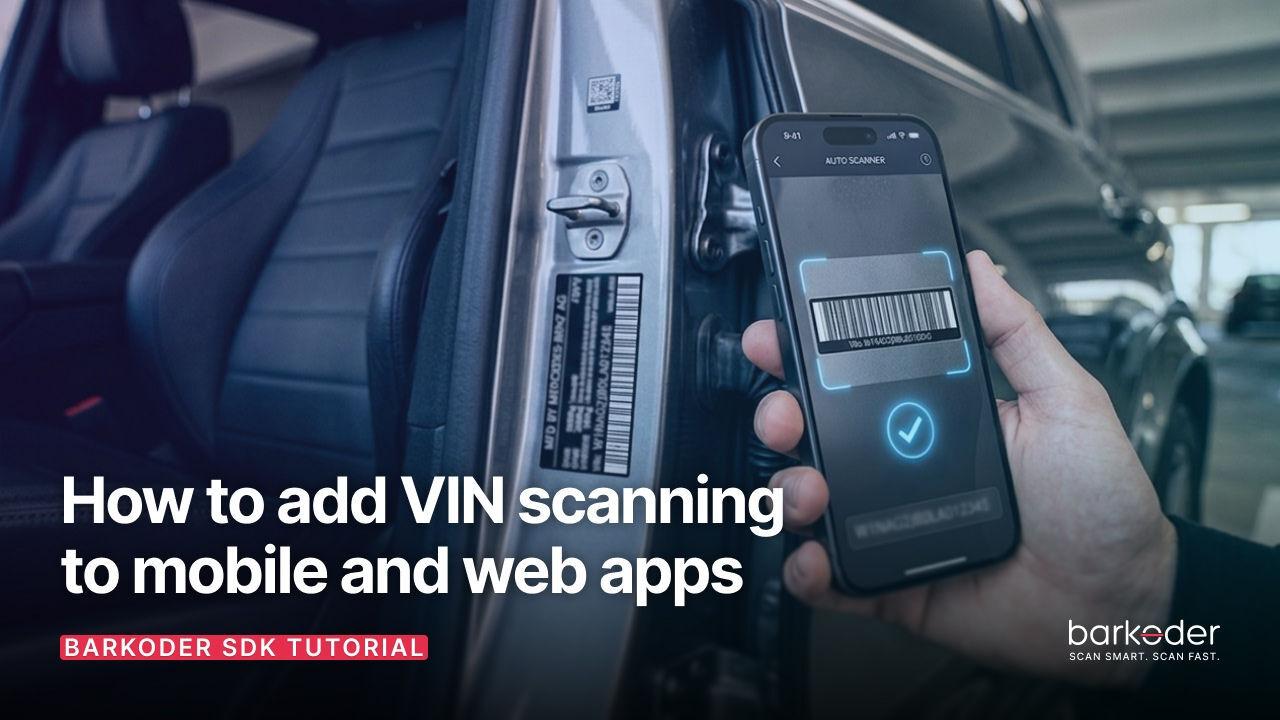
How to Add VIN Scanning to Mobile and Web Apps
Learn how to add VIN barcode scanning to mobile and web apps. This guide covers VIN barcode formats, scanning workflows, and how developers can integrate VIN scanning into their applications.
Read about barKoder latest news, updates and tutorials.
Learn how to add VIN barcode scanning to mobile and web apps. This guide covers VIN barcode formats, scanning workflows, and how developers can integrate VIN scanning into their applications.
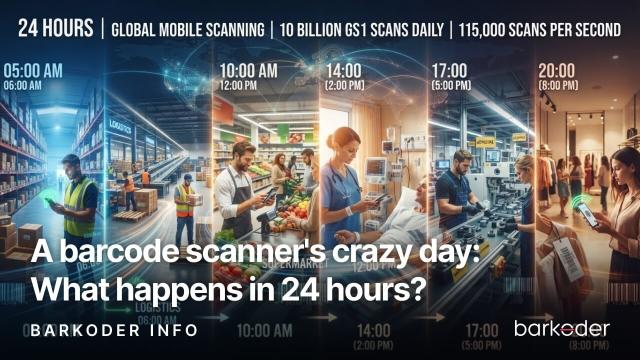
Every second, thousands of barcodes are being scanned somewhere in the world. From supermarket checkouts and warehouses to hospitals and global supply chains, barcode scanners quietly keep modern commerce moving. Take a 24-hour journey through the surprisingly busy life of the barcode scanner.

Adding barcode scanning to your web application no longer requires dedicated hardware or a native mobile app. By leveraging standard browser APIs alongside WebAssembly and Web Workers, modern JavaScript SDKs deliver fast, reliable in-browser barcode decoding across desktop and mobile devices.

In this new barKoder blog post, we explore the 10 most common reasons barcode scanning fails, explain what happens behind the scenes and share practical ways developers can improve scanning reliability. The article also looks at mobile cameras, decoding technology, difficult barcodes, multi barcode scanning and why testing with real world samples is essential for building a scanner users can trust.
When standard paper labels peel, shred, or burn away, component-level traceability breaks. Enter Direct Part Marking (DPM) - the permanent, indestructible link between physical assets and their digital history. Learn how DPM works across modern industries and how smart software decodes even the hardest-to-read DPM Data Matrix codes.
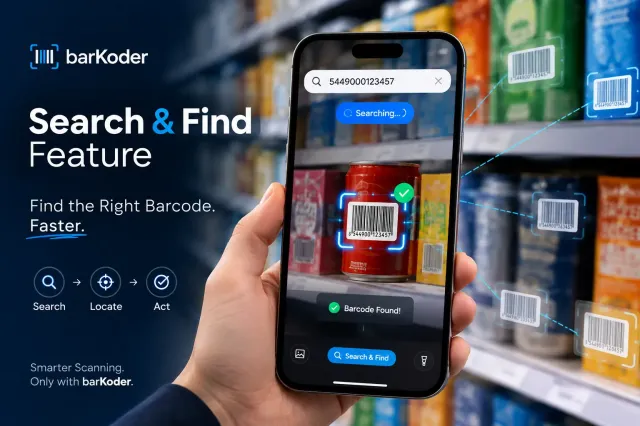
With barKoder’s new Search & Find feature, simply enter the barcode value you’re looking for and point your camera at the scene. The SDK searches interactively until it detects and scans the matching barcode.
Choosing the right barcode scanner SDK can make a major difference in enterprise workflows - here’s what to consider for reliable, scalable scanning across industries and platforms.
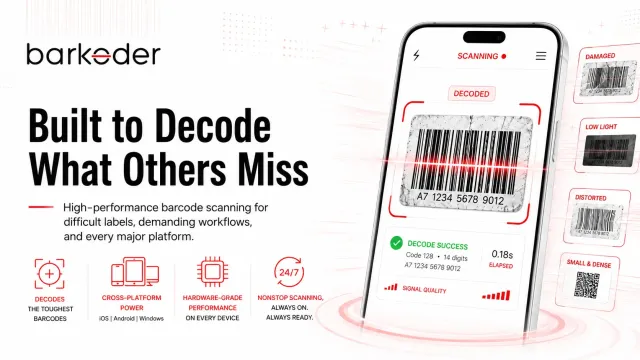
barKoder has shipped major updates: multithreaded web scanning, VIN OCR, advanced AR, new document parsers, Zebra validation, ISO 27001 certification, and easier cross-platform SDK testing. They also joined Zebra ISV partners and expanded GS1 provider status.
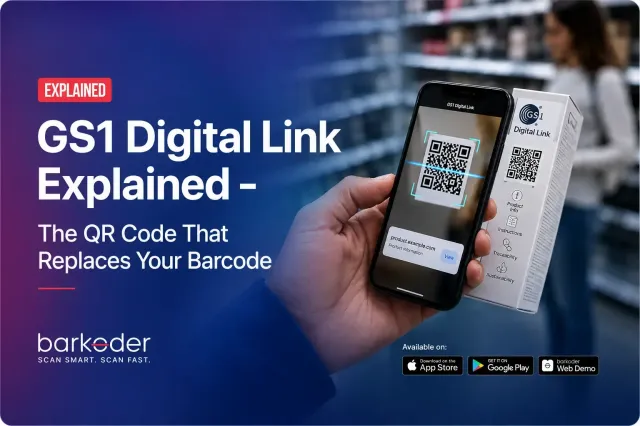
With GS1 Sunrise 2027 around the corner, retail point-of-sale is experiencing its biggest shift since the introduction of the traditional UPC/EAN barcode. GS1 Digital Link turns a simple QR code into a multi-purpose tool that serves checkout scanners, inventory systems, and shoppers' smartphones all at once. Here is everything you need to know about how GS1 Digital Link works and how to get your systems and packaging ready before 2027 arrives.

Every day, millions of state-issued driver's licenses and ID cards are scanned at retail checkouts, airport security checkpoints, bank onboarding desks, and hotel reception counters. Behind nearly all of these physical identity verifications is a two-dimensional barcode printed on the back of the card: the AAMVA-compliant PDF417 barcode.
barKoder SDK 1.7.1 is now available with improved performance, efficiency, and regional data parsing. Updated versions of the Barcode Scanner by barKoder are also available on Google Play and the Apple App Store, delivering a faster and more reliable scanning experience across mobile and web platforms.
UPC and EAN barcodes remain the backbone of global retail in 2026, powering billions of product scans every day. From supermarkets and warehouses to e-commerce and mobile shopping apps, these standardized barcodes enable fast checkouts, accurate inventory management, and seamless product identification. Discover 30+ surprising UPC/EAN statistics and fun facts that highlight why barcode technology continues to drive modern commerce.
By the end of 2027, many leading beverage brands, including Coca-Cola, PepsiCo, and Red Bull, are adopting QR codes and other 2D barcodes as part of the GS1 Sunrise 2027 initiative. These digital codes go beyond traditional barcodes by enabling faster retail operations while giving consumers instant access to product information, nutrition facts, recycling guidance, authenticity verification, promotions, and sustainability details with a simple smartphone scan.