Walk into any supermarket, pharmacy, warehouse, airport, or retail store, and you'll find one technology quietly powering nearly every transaction: the UPC and EAN barcode. These simple black-and-white lines have transformed global commerce for more than 50 years, making inventory management, retail operations, logistics, and mobile commerce faster and more accurate than ever before.
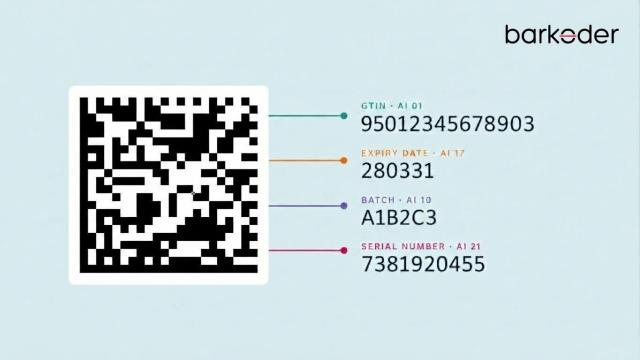
In 2026, barcode technology is more important than ever. From traditional laser scanners to AI-powered smartphone barcode scanning SDKs like barKoder, businesses rely on UPC and EAN codes billions of times every single day.
Here are more than 30 surprising UPC/EAN barcode statistics, along with fun facts that prove these tiny symbols have changed the world.
30 UPC/EAN Barcode Statistics for 2026.
- More than 10 billion UPC and EAN barcodes are scanned every day, making barcode technology one of the most widely used automatic identification systems in the world.
- GS1 supports millions of businesses that use standardized barcodes to trade products globally.
- More than one billion products worldwide are identified using GTINs, which you can learn about on the official GS1 GTIN page.
- The first UPC barcode was scanned on June 26, 1974, forever changing retail checkout. You can read the fascinating story on the Universal Product Code Wikipedia page.
- The first product ever scanned was a pack of Wrigley's Juicy Fruit chewing gum, which is still displayed today at the Smithsonian National Museum of American History.
- Outside North America, EAN-13 is the dominant retail barcode format. More information is available on the International Article Number page.
- UPC-A contains 12 digits, while EAN-13 contains 13 digits, allowing products to be uniquely identified worldwide.
- More than 95% of retail products found in supermarkets include either a UPC or EAN barcode.
- Barcode scanning reduces manual data entry errors by more than 99%, making inventory management significantly more reliable.
- Retail checkout becomes dramatically faster thanks to barcode scanning technology.
- Warehouses process thousands of products every hour using barcode scanners.
- Mobile barcode scanning continues replacing expensive dedicated hardware scanners.
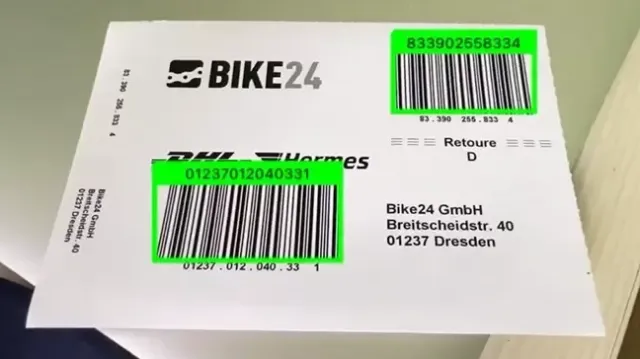
- AI-powered barcode scanners can decode damaged, blurry, and low-contrast UPC and EAN barcodes.
- Nearly every major e-commerce marketplace uses UPC, EAN, or GTIN numbers to identify products.
- Every UPC barcode includes a check digit, helping scanners instantly detect invalid codes.
- GS1 standards are used in more than 150 countries, making them one of the world's most successful international standards.
- Self-checkout kiosks depend almost entirely on UPC barcode scanning.
- Mobile shopping apps rely on barcode scanning for price comparison and product lookup.
- Pharmacies use barcode technology to improve medication safety.
- Manufacturers track products throughout production using barcode systems.
- Logistics companies scan packages countless times before delivery.
- Modern inventory systems achieve over 99% accuracy using barcode technology.
- Barcode scanning helps retailers reduce stock shortages.
- Contactless shopping experiences continue growing thanks to mobile barcode scanning.
- AI barcode readers can often decode labels humans struggle to read.
- Restaurants use UPC scanning to simplify food inventory.
- Hospitals use barcode identification to improve patient safety.
- Retail analytics often begin with barcode scan data.
- Billions of barcode scans generate valuable business intelligence every year.
- UPC and EAN remain the world's most successful retail barcode standards more than 50 years after their introduction.
Funny UPC & EAN Facts
- Before you buy a bottle of soda, its barcode may have already been scanned dozens of times during manufacturing, shipping, warehousing, and stocking.
- Bananas may not have pockets, but they almost always wear barcode stickers.
- Your morning coffee probably met more barcode scanners than people before reaching your kitchen.
- Some warehouse workers scan more barcodes in one shift than most people will see in an entire month.
- Cats love cardboard boxes, but thankfully they don't need to scan the barcode before climbing inside.
- Without UPC barcodes, grocery store checkout lines would look a lot like they did in the early 1970s.
- That birthday gift you just bought was probably scanned multiple times before it reached the shelf.
- Modern AI barcode scanning software, such as barKoder, can often read labels that appear impossible to scan with traditional methods.