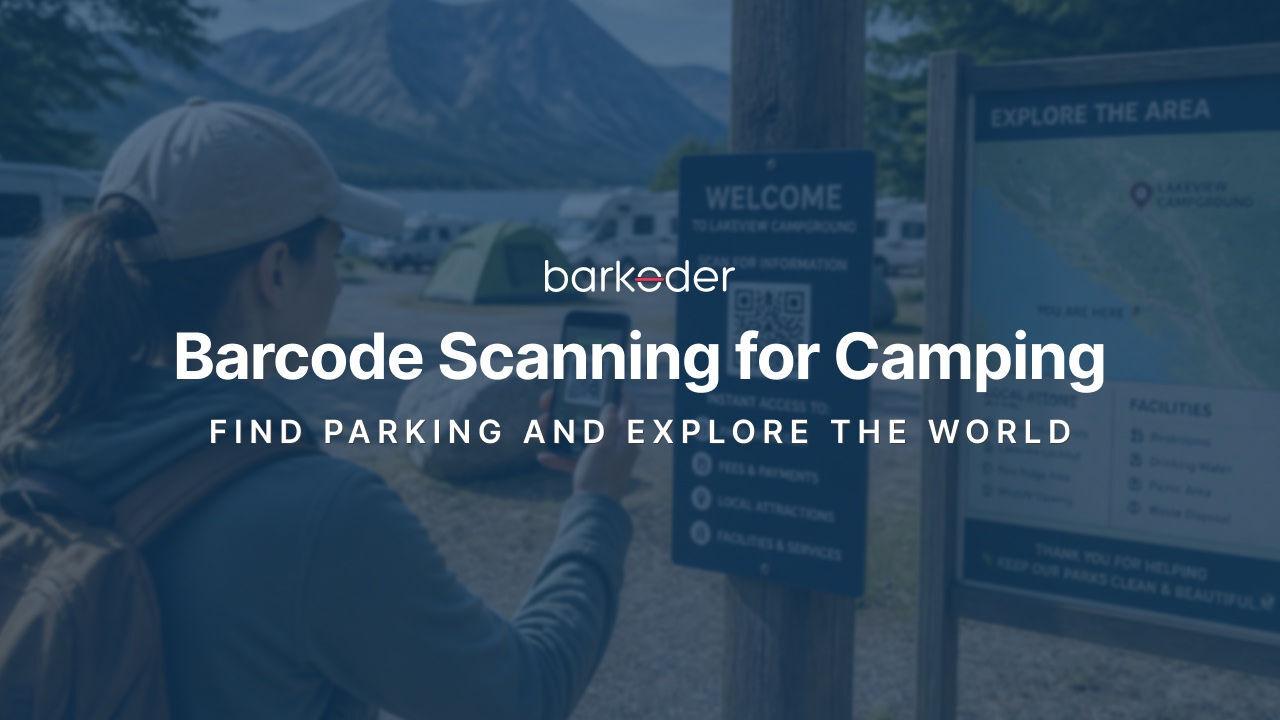
Barcode Scanning for Camping: Find Parking and Explore the World
Freedom-the open road, impromptu stops, and waking up in unexpected locations-has always been a part of camping. It's about getting away from daily life and getting back in touch with the natural world. However, that freedom no longer has to equate to uncertainty. Campers can now enjoy the best of both worlds-adventure and intelligent, trustworthy information-thanks to the growth of barcode and QR code scanning.
What began as a retail technology has developed into a potent tool for navigation, travel, and environmental consciousness. Barcode scanning is subtly becoming a necessary component of travel for campers, van-lifers, and road trip enthusiasts.
A New Kind of Travel Companion
One of the most difficult things to do when traveling with a tent or camper is to find out where and if parking is permitted. Countries, cities, and even particular areas within a region have different regulations. Signs can occasionally be ambiguous, out-of-date, or unavailable in your language.
In this situation, QR codes serve as a universal link between the real and virtual worlds.
Imagine pulling into a parking lot by a lake. You scan a nearby QR code rather than speculating or looking through forums. In a matter of seconds, you obtain:
- Clear parking regulations
- Whether overnight stays are allowed
- Pricing and payment options
- Availability status
- Nearby facilities like water, toilets, or electricity
This instant access transforms decision-making. No stress, no confusion—just clarity.
From Parking to Full Travel Experience
Parking is not the end of barcode scanning. It makes your whole camping experience richer and more engaging.
QR codes can be used by local communities and campsites to create digital layers of information around you. A quick scan could reveal:
- Hidden hiking trails that aren’t listed on popular apps
- Scenic viewpoints known only to locals
- Cultural landmarks and historical stories
- Seasonal events, markets, or festivals
- Recommended local food spots or farms
Instead of passively visiting a place, you actively engage with it. Every scan becomes a gateway to deeper exploration.
Seamless and Contactless Convenience
One of the biggest advantages of QR-based systems is how effortless they are. There’s no need for physical tickets, printed maps, or long check-in processes.
For campers, this means:
- Paying for parking without cash
- Registering your stay digitally
- Accessing campsite rules instantly
- Receiving updates or alerts in real time
Everything happens through your phone, making the experience smoother and more hygienic—especially important in shared or high-traffic camping areas.
Offline and Low-Connectivity Advantages
You are frequently far from reliable internet signals when camping. That may be part of the appeal, but when you need information, it can also be problematic.
This is becoming a more important consideration in the design of contemporary barcode scanning solutions. Certain systems permit:
- Cached content after the first scan
- Lightweight pages that load quickly even on weak connections
- Integration with apps that store data offline
This ensures that even in remote forests or mountain regions, you’re not completely disconnected from useful information.
Supporting Sustainable Travel
Sustainability and camping go hand in hand. Nature-loving people typically want to preserve it. Barcode scanning makes a subtle but significant contribution to this objective.
QR codes help cut down on paper waste by taking the place of printed materials like instruction boards, maps, and brochures. However, the effect is more extensive:
- Encouraging responsible behavior through guidelines and tips
- Promoting eco-friendly campsites and services
- Educating travelers about local ecosystems
Some systems even reward users for sustainable actions, like recycling or choosing designated camping zones. This creates a sense of responsibility and participation, not just consumption.
Empowering Local Communities
One of the most exciting aspects of this technology is how it empowers small communities. Rural areas, often overlooked by major tourism platforms, can use QR codes to tell their story.
A simple sign with a QR code can lead to:
- A local family-owned campsite
- A vineyard offering tastings
- A handmade crafts shop
- A guided tour by locals
This creates a direct connection between travelers and communities, helping local economies grow while offering more authentic experiences to visitors.
Safety and Awareness on the Road
Safety is another area where barcode scanning can make a real difference. When you’re traveling in unfamiliar places, quick access to accurate information is critical.
QR codes can provide:
- Emergency contact numbers specific to the area
- Weather alerts and warnings
- Fire safety guidelines
- Wildlife awareness tips
- Evacuation routes if needed
Instead of searching online in stressful situations, the information is already there—just one scan away.
The Future of Smart Camping
As technology continues to evolve, barcode scanning will become even more integrated into the camping experience. Combined with IoT (Internet of Things), GPS, and real-time data, the possibilities are endless.
We can expect:
- Smart parking systems that update availability live
- Personalized travel recommendations based on your route
- Integration with camper apps that track your journey
- Digital reward systems for visiting eco-friendly locations
- Fully connected camping networks across countries
Your camping trip becomes more than just a journey—it becomes a connected experience, tailored to your needs and preferences.
Blending Freedom with Intelligence
Some may be concerned that the simplicity of camping is diminished by the use of technology. However, in practice, it has the opposite effect. It frees you up to concentrate on what really matters by eliminating friction, such as uncertainty, confusion, and wasted time.
The sound of nature still wakes you up. You continue to travel uncharted territory. The freedom of the journey is still enjoyable.
Now, though, you do it with assurance.
Barcode scanning is a silent revolution in transportation, not just a convenience. It provides campers with a more intelligent way to explore the world, locate parking that is both safe and legal, find hidden locations, and establish connections with nearby communities.
Every stop becomes an opportunity because of it. Every place has a narrative. And each voyage into something more meaningful, simpler, and richer.
Frequently Asked Questions
Many local councils and campsites now use QR codes on signage to provide real-time information on parking regulations, overnight stay permissions, and digital payment options, eliminating the guesswork of "can I park here?"
Yes. Many modern systems use lightweight mobile pages designed to load quickly on 3G/4G networks, and some integrate with travel apps that cache information for offline use once the initial scan is complete.
QR codes reduce the need for paper maps, brochures, and plastic-coated instruction boards. They also provide a direct digital platform to educate travelers on local eco-rules, fire safety, and waste management.
Generally, yes. Most QR systems at reputable campsites link directly to secure encrypted payment gateways, allowing you to pay for facilities or parking without needing physical cash or touching a shared kiosk.
Beyond basic logistics, QR codes can unlock "digital layers" of a location, such as links to local farmers' markets, historical stories of the area, or secret hiking trails not found on mainstream navigation apps.