The Barcode Journey of a Diamond: From Deep Underground to the Jewelry Store
This is the part that most people see when they marvel at a diamond in a jewelry shop. It is a sparkly stone on show under bright lights, waiting to become part of a necklace, an engagement ring or a family inheritance.
The journey that this diamond has taken is not visible to them.
The diamond may have moved over thousands of miles, through many processing stations, across many countries, changed many hands before it becomes visible. The barcode scanner is one small technological advancement that goes a long way in helping to guarantee its authenticity, traceability and identification.
It All Starts Deep Underground
Diamonds have a long journey before reaching fancy retail outlets and dazzling jewelry displays.
Most of the naturally occurring diamonds take billions of years of formation under high temperature and pressure within the earth’s mantle to develop. Through volcanic eruptions, they get brought near the surface, and then they are mined.
Thousands of carats of raw diamonds are mined every year through the efforts of mining companies from different corners of the globe. Problems arise right after extraction begins.
Raw diamonds often look unexpectedly ordinary in comparison to the jewelry. They are very hard to tell apart from each other without the proper system of identification due to their rock-like appearance.
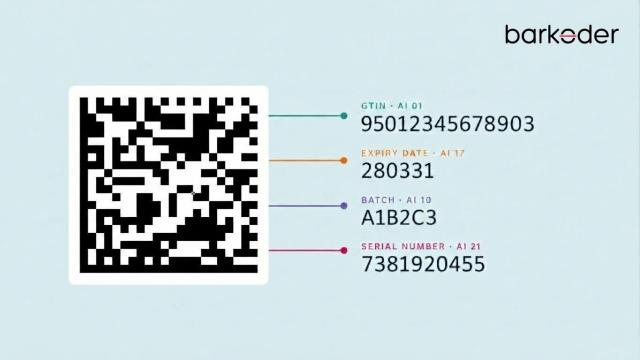
At mining facilities, recovered stones are sorted, categorized, weighed, and documented. Each batch receives a unique identification number connected to detailed records including origin, weight, quality characteristics, extraction date, and ownership information.
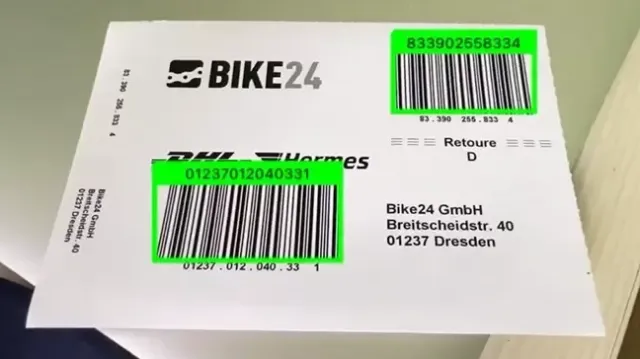
Barcode labels become the bridge between the physical diamonds and their digital records.
The First Scan
Consider a mining operation that processes thousands of stones each day.
Before a package advances to the next phase of the supply chain, workers must make sure it is properly identified. All related data can be quickly retrieved with a straightforward barcode scan, which lowers the risk of human error.
In the absence of barcode scanning, workers would have to repeatedly enter long identification numbers by hand.
This would be slower, and errors could have expensive repercussions.
Even one misplaced package can result in lengthy investigations and monetary losses when dealing with valuable assets.
Crossing Continents
Rough diamonds frequently start an international journey after they are sorted.
A stone that is taken from Africa might be transported to Europe for assessment, then to India for polishing and cutting before being sold in North America or Asia.
Diamonds travel through logistics hubs, transportation hubs, warehouses, secure storage facilities, and customs inspections during these movements.
Barcode scanning verifies that the right shipment has arrived at each checkpoint.
Every scan generates a digital record that enables stakeholders to view the precise location and history of a package.
In a field that greatly relies on accountability and trust, this visibility is essential.
The Transformation Stage
The cutting and polishing stages of a diamond's journey are among its most fascinating.
Before a single cut is made, a rough diamond may be examined by knowledgeable experts for weeks or months.
Maximizing beauty and value while minimizing material loss is the straightforward but difficult goal.
In this phase, identification systems connected to barcode records are still used to track diamonds.
It is possible for several stones to pass through different workstations, quality checks, and polishing procedures. Throughout the production process, barcode scanning guaranties that every diamond stays linked to its documentation.
A lost stone might cost thousands of dollars, if not more.
Building Trust Through Traceability
The origins of products are becoming more and more important to modern consumers.
This also applies to diamonds.
These days, a lot of consumers inquire about authenticity, sustainability, ethical behavior, and sourcing. They want assurance that the stone they buy has been ethically sourced and appropriately recorded.
As a result, the diamond industry has made traceability a top priority.
From extraction to retail sale, barcode-based tracking systems assist in keeping thorough records. Each scan adds to an open chain of custody that can be examined and confirmed as needed.
Manufacturers, merchants, and customers can feel more assured about the provenance and flow of valuable stones thanks to this information.
The Retail Arrival
Diamonds eventually make their way to jewelry manufacturers and retailers after being cut, polished, graded, and certified.
The stone may have accumulated years of documentation by now.
It has probably passed through many facilities, traveled through several nations, and undergone numerous expert inspections.
However, the tracking procedure is still ongoing.
Barcode scanning is frequently used by jewelry stores for inventory control, security, stock verification, sales processes, and insurance paperwork.
Staff members can obtain comprehensive information about a particular diamond, such as certification records, pricing information, and inventory status, with a fast scan.
Barcode scanning offers efficiency and accuracy that manual processes just cannot match for retailers handling hundreds or thousands of expensive items.
Why Mobile Barcode Scanning Matters
Many companies are switching from costly dedicated scanners to mobile technology as operations become more digital.
These days, smartphones and tablets can instantly access cloud-based information systems and carry out complex barcode scanning tasks.
Businesses can turn mobile devices into enterprise-grade barcode scanners that can manage demanding environments and high-value asset tracking workflows with the aid of solutions like barKoder.
Mobile barcode technology offers speed, flexibility, and dependability whether managing products in a retail showroom, scanning inventory in a secure vault, or confirming shipments in a logistics center.
The Invisible Technology Behind Every Sparkle
Think about the amazing journey a diamond has taken the next time you spot one in a jewelry store window.
Beneath the surface of the Earth, its journey most likely started billions of years ago. It may have traveled across oceans, through several nations, undergone skilled craftsmanship, and passed multiple quality inspections in more recent times.
A straightforward but effective technology that most customers are unaware of is at the heart of much of this journey.
The brilliance of a diamond cannot be produced by barcode scanning. It doesn't improve the stone's sparkle or shape it.
It does offer visibility, accountability, and trust, all of which are equally valuable.
In a field where every detail counts and every stone tells a tale, barcode scanning ensures that the narrative is preserved from mine to jewelry store.
Frequently Asked Questions
Because diamonds are incredibly high-value assets that look virtually identical in their rough, unpolished state. A single mistake—like a misplaced package or a manual data-entry error - can trigger massive financial losses and security investigations. Barcode scanning eliminates human error by instantly linking the physical stone to its digital record at every stage of the supply chain.
As soon as rough diamonds are extracted, sorted, and weighed at a mining facility, they are assigned a unique identification number. This ID is printed onto a barcode label that stays with the batch. Scanning this barcode immediately pulls up the stone's exact origin, weight, quality characteristics, and ownership history.
Modern consumers demand transparency regarding sustainability and ethical mining practices. Barcode systems create a digital "chain of custody." Every time a diamond package is scanned—whether crossing international borders, entering a cutting facility, or arriving at a retail store—it leaves a digital footprint. This permanent record proves the diamond's legitimate, conflict-free journey from mine to market.
The transformation from a cloudy rock to a sparkling gemstone takes weeks or months of precise work across multiple workstations. Barcode scanning ensures that individual stones never get mixed up or swapped during these complex manufacturing and quality inspection phases, protecting the immense value of each specific diamond.
Dedicated hardware scanners can be expensive and rigid. By utilizing mobile barcode scanning software like barKoder, companies can transform everyday smartphones and tablets into enterprise-grade scanning tools. This gives workers the flexibility to track high-value inventory anywhere - from a secure underground vault or a bustling logistics hub to the retail showroom floor—while instantly syncing data to the cloud.